 XR Custom Jewelry
Why the material grade quietly decides your margin
When you order stainless steel jewelry in bulk, the alloy grade sets up everything that happens next. Skin safety, tarnish resistance, how well the plating holds, and how long a piece still looks new in your customer's hand all trace back to that one choice. The two grades you hear most are 304 and 316L. Both are 18/8-class austenitic steels, but they are not the same thing for jewelry.
The real difference: molybdenum
316L adds molybdenum (about 2 to 3 percent) to the chromium-nickel base. That one addition sharply improves resistance to chlorides and weak acids, which is exactly what jewelry meets from sweat, seawater, and perfume. 304 does not have it, so it pits more easily in humid or coastal markets.
- 316L: marine-grade and hypoallergenic, the usual choice for body-contact fashion jewelry.
- 304: food-grade and cheaper, but less corrosion-proof for daily-wear pieces.
What this means for returns
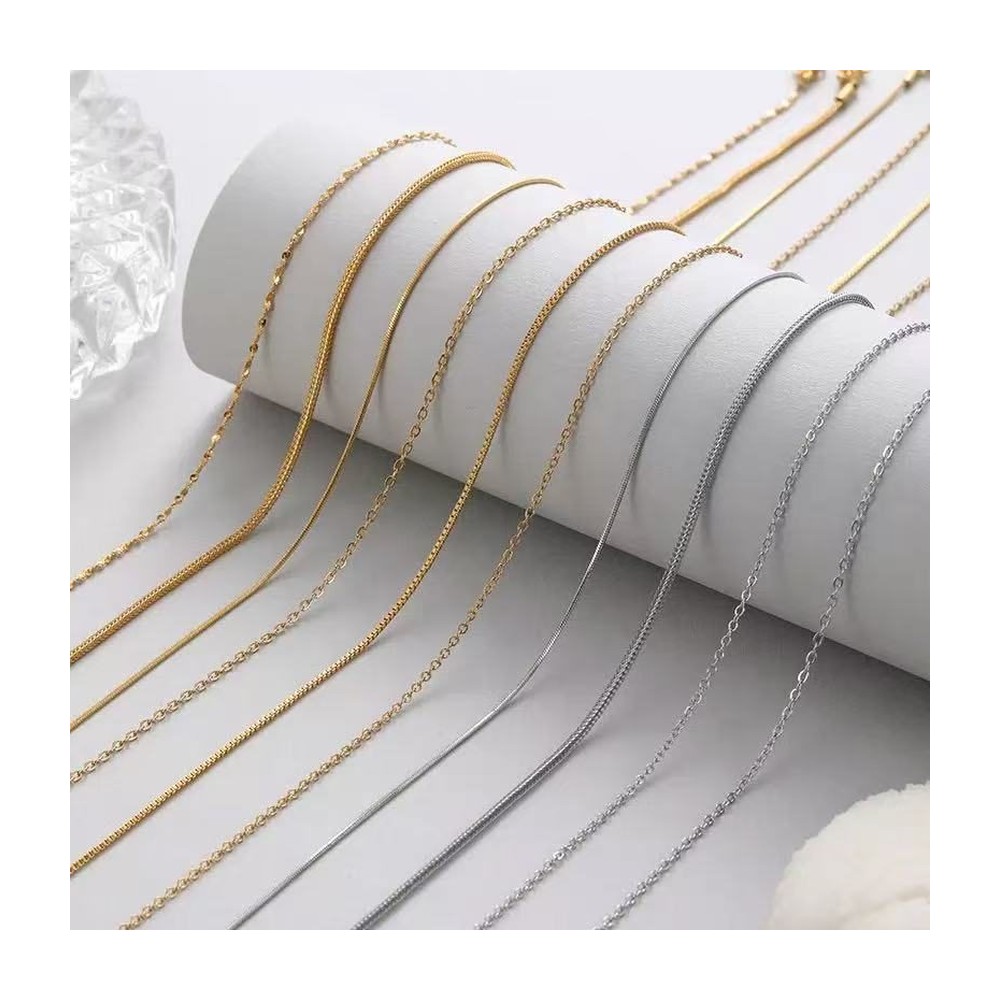
Tarnish and green-skin complaints are the silent killer of a wholesale line. Specifying 316L at the sourcing stage removes most of that risk. At XR Custom Jewelry every piece starts as 316L stainless steel, then gets a Gold, Silver, or Black PVD finish for color that lasts.
A quick buyer checklist
- Ask suppliers for a material test report confirming 316L.
- Request a salt-spray result (48 hours or more with no red rust).
- Confirm nickel release meets EU REACH (under 0.2 micrograms per cm2 per week) for skin contact.
Ready to spec your line? Request a quote with your target market and we will suggest the right finish and MOQ.